Biggest Ult Field 7 Buying Mistakes (And How to Avoid Them)
Ult Field 7 has become a headline name in conversations about portable audio gear, but good intentions and slick marketing do not always translate into the right purchase for every buyer. This article walks through the most common mistakes people make when buying the Ult Field 7, explains why they matter in real-world use, and offers practical advice to avoid them. It is written in an editorial, third-person voice aimed at helping prospective buyers make a confident, informed decision.
Introduction
The Ult Field 7 is positioned as a versatile audio tool for creators who work on location, in small studios, or in hybrid setups. Buyers are often drawn to its promise of portability, multi-channel capability, and modern connectivity. In practice, however, several pitfalls repeatedly surface: buyers overlook compatibility with their microphones, underestimate power and battery needs for long shoots, or misunderstand the device’s intended workflows. These mistakes lead to frustrating sessions, unexpected expenses, or compromised recordings.
This article analyzes the Ult Field 7 from a buying perspective, focusing on the practical realities that matter to people who record dialogue, ambience, music, podcasts, and live events. The goal is to pinpoint avoidable errors and offer concrete, actionable guidance so a purchase supports the user’s real-world needs.
Product review and practical analysis
At a high level, the Ult Field 7 presents as a compact, handheld device with a combination of analog inputs, digital I/O, and on-device controls. In everyday use it targets an audience that values ruggedness and mobility: location sound recordists, documentary filmmakers, podcasters on the move, and musicians wanting a simple field solution.
From a user standpoint, there are several categories of capability that determine whether the Ult Field 7 is the right tool:
- Audio chain quality: Preamps, A/D conversion, and mic compatibility determine capture fidelity and headroom for both quiet ambience and loud sources.
- Workflow and monitoring: The ergonomics of menus, display clarity under daylight, and whether the device enables reliable real-time monitoring with low latency make the difference between a smooth session and repeated retakes.
- Power and storage: Battery life, swappable power options, and file format support affect how long the device can stay in the field and what post-production workflows it feeds into.
- Connectivity and integration: How well it connects to computers, mixers, or other devices (USB, Dante, SDI/word clock options, if applicable) determines whether it will fit into an existing rig.
- Durability and build: Weather resistance, physical controls that can be operated with gloves, and mounting points matter for harsh location work.
In typical real-world use, buyers care most about reliability during a session and how easily recordings integrate into their established post workflows. A device that sounds great but is constantly dying, or that produces files requiring cumbersome conversion, will not satisfy professionals or serious hobbyists.
What buyers should test or confirm before buying
- Check mic powering options (48V phantom, T-power, or plug-in power) and whether the preamps provide enough clean gain for low-output condenser microphones or ribbon mics.
- Confirm the supported file formats and sample rates to ensure compatibility with post-production tools and the intended project delivery specs.
- Inspect available outputs and monitoring paths to make sure the device can route signals to an external mixer, camera, or headphone feed simultaneously.
- Evaluate battery options and confirm the rated battery life under the intended use (e.g., multiple hours of simultaneous multi-track recording).
Biggest buying mistakes — and how to avoid them
Below are the most common mistakes buyers make when purchasing the Ult Field 7, presented as practical traps with clear avoidance tips based on real-world scenarios.
Mistake 1: Choosing based on specs alone
Many buyers focus on headline numbers—bit depth, sample rate, channel count—without considering the entire signal chain and whether those numbers matter for their work. For example, recording a podcast in a quiet room rarely benefits from ultra-high sample rates if the microphones and environment are limiting factors.
How to avoid it: Prioritize the aspects of the spec sheet that affect the actual recording scenario. If the primary use is interview recording, invest in quality preamps and reliable monitoring rather than chasing an extra channel or marginally higher sample rates.
Mistake 2: Ignoring mic compatibility and gain requirements
Field recordists often pair the Ult Field 7 with high-quality shotgun or condenser mics that require robust phantom power and clean gain. Purchasing without verifying mic compatibility leads to thin, noisy, or distorted tracks in the field.
Find top-rated Audio & Headphones products at great prices.
See Deals →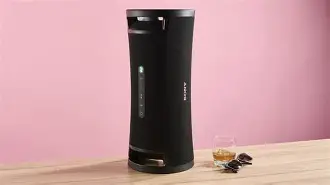
How to avoid it: Before buying, list the microphones to be used and check their powering and gain requirements against the Field 7’s capabilities. If possible, audition the exact mic + Ult Field 7 chain or consult detailed user reviews that include real-world gain measurements.
Mistake 3: Underestimating power and battery needs
Battery life claims are frequently tested under ideal conditions. In practice, using onboard preamps, wireless transmitters, backlit displays, and Wi‑Fi consumes more power. Sessions that run long—documentary interviews, multi-hour livestreams, or all-day location shoots—expose insufficient battery planning.
How to avoid it: Plan for worst-case scenarios. Verify whether the device supports swappable batteries, external USB-C power banks, or hot-swappable solutions. Carry redundancy: extra battery packs and a compatible charging solution are inexpensive insurance against failure.
Mistake 4: Overlooking monitoring and latency behavior
Real-time monitoring is essential for dialogue and music capture. Some buyers discover too late that monitoring paths introduce latency or that headphone mixes are limited, complicating sessions that require performers to hear themselves accurately.
How to avoid it: Test the latency and monitoring routing in a realistic setup before committing. Confirm whether the Ult Field 7 offers direct monitoring, multiple headphone mixes, and adjustable talkback features if the workflow requires them.
Mistake 5: Assuming all file workflows are equal
Not all devices store files in an immediately usable format or structure. Buyers sometimes find that their devices create proprietary folder structures, embedded metadata, or compressed formats that require extra conversion time in post.
How to avoid it: Inspect how files are exported and whether the recorder writes standard WAV/AIFF files with clear timecode and metadata. Ensure the device supports file naming conventions and formats compatible with the preferred DAW or editing suite.
Mistake 6: Neglecting durability and mounting requirements
On-location work exposes gear to weather, impacts, and awkward mounting points. A beautiful device that cannot be securely mounted to a boom pole or camera rig, or that suffers from fragile controls, will quickly become a liability.
How to avoid it: Check mounting thread availability, build materials, and ingress protection ratings. Look for rubberized controls or physical locks on critical knobs. Assess whether the device fits the bags and cases already used by the production team.
Discover deals on Audio & Headphones — updated daily.
Shop Amazon →Mistake 7: Buying without checking software and firmware support
Manufacturers regularly update firmware to fix bugs or add features. Buyers who ignore the company’s track record for updates may be left with devices that become unsupported or have unresolved issues.
How to avoid it: Research the manufacturer’s firmware history and user community. Prioritize vendors with clear update policies and active support forums. Confirm how easy it is to perform firmware updates in the field or whether a computer is required.
Pros & cons
- Pros
- Portable form factor well suited to location work and mobile creators.
- Multi-channel inputs that cover common location needs without an external mixer.
- Modern connectivity options (USB-C, timecode, or other digital links) that support hybrid workflows.
- On-device controls and physical knobs for fast adjustments during shoots.
- Cons
- Potential battery limitations for extended sessions if not paired with external power solutions.
- Complexity of advanced features can be a learning curve for users transitioning from simpler recorders.
- Monitoring and routing limitations may restrict use in multi-operator setups without additional gear.
- Not all accessories (mounts, windscreens, cases) are included and may require extra investment.
Comparison table: Ult Field 7 vs typical alternatives
| Feature | Ult Field 7 | Typical Handheld Field Recorder | Compact Desktop Interface |
|---|---|---|---|
| Primary use | Portable multi-channel location work | Single-operator stereo or dual-channel field capture | Home studio recording and podcasting |
| Portability | High | Very high | Moderate |
| Power options | Internal battery + external power | Often replaceable AA batteries + USB | Requires mains or USB bus power |
| Inputs | Multiple XLR/TRS and possible digital I/O | 2–4 inputs (built-in mics + XLR) | 2–8 inputs, optimized for studio mics |
| Monitoring | Built-in headphone out, on-device monitoring | Single headphone out, limited mixes | Advanced low-latency monitoring via computer |
| File workflow | Multi-track WAV support, may include metadata | Straight WAV/MP3 recording | Direct-to-DAW recording via USB |
| Best for | Documentaries, location music, multi-mic interviews | Quick interviews, ambience capture | Studio tracking, mixing, podcast production |
Buying guide: what matters for different buyers
Different users prioritize different features. Below are clear buying priorities by use case, along with practical checks a buyer should perform before purchase.
Documentary filmmakers & location sound
- Priorities: reliable phantom power, robust build, timecode support, multiple inputs for lavs and boom mics.
- Checklist: confirm timecode sync options; test low-noise preamps with the specific shotgun or lavalier mics used on set; verify mounting and cable routing options.
Podcast producers and interviewers
- Priorities: dependable simultaneous multi-track recording, intuitive on-device controls, simple file export, low-noise preamps.
- Checklist: ensure easy file-naming and metadata features for post; check headphone mix and talkback; confirm that transfers to a workstation are straightforward (USB mass storage or straightforward transfer software).
Musicians capturing live performances or rehearsals
- Priorities: high headroom, balanced inputs for instruments, clear monitoring for performers, compact mounting if used on stands.
- Checklist: test with the band’s amplifiers and DI boxes; confirm sample rate flexibility for later mixing; verify that the device can handle sustained high SPLs without distortion.
Field recordists and sound designers
- Priorities: excellent low-noise floor, multiple inputs for ambisonic/spot mics, long unattended recording times, and flexible file formats.
- Checklist: look for low self-noise measurements in reviews; test run-time on batteries; confirm whether the device supports continuous recording and large-capacity storage solutions.
Practical purchasing checklist
- Mic compatibility: Match microphones and power/gain requirements before purchase.
- Battery plan: Include at least one spare battery or a power bank judged by real-world consumption.
- Monitoring: Verify headphone output quality and whether direct monitoring is available.
- File formats: Confirm the Ult Field 7 writes standard WAV/AIFF files at required bit depth/sample rate and includes useful metadata fields.
- Accessories: Budget for windscreens, cases, cables, and mounting adapters that are not included.
- Firmware and support: Check manufacturer update history and community resources for tips and known issues.
- Return policy and warranty: Ensure a sensible return window and warranty coverage in case of early failures.
Real-world tips from experienced users
Users in production environments commonly recommend setting up one complete, end-to-end session before the first paid gig. This rehearsal should include the exact microphones, cables, and power setups to be used on the shoot. It exposes hidden issues—adapter mismatches, noisy connectors, or unexpected routing restrictions—before they become costly problems.
Another common tip is to create a standard operating template on the device (if supported) and back it up. Templates save time and reduce mistakes when switching rapidly between different session types, such as dialog recording and ambience capture.
Conclusion
The Ult Field 7 can be a powerful addition to a creator’s toolkit when its strengths align with the user’s needs. The most frequent purchasing mistakes are not about the device itself as much as mismatches between expectations and real-world demands: mismatched mic power, inadequate batteries, overlooked monitoring limitations, and reliance on specs without testing workflows.
Prospective buyers should approach the purchase with specific use cases in mind, test complete signal chains, and prepare a realistic power and accessory plan. With those steps in place, the Ult Field 7 is more likely to deliver reliable, high-quality recordings rather than become a source of recurring frustration. Thoughtful preparation—matching gear to workflow, testing in real conditions, and planning for redundancy—turns a new device into a reliable partner on location and in the studio.